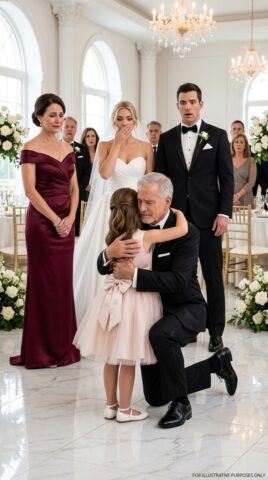
The Day I Walked Back Into The House They Once Took From Me
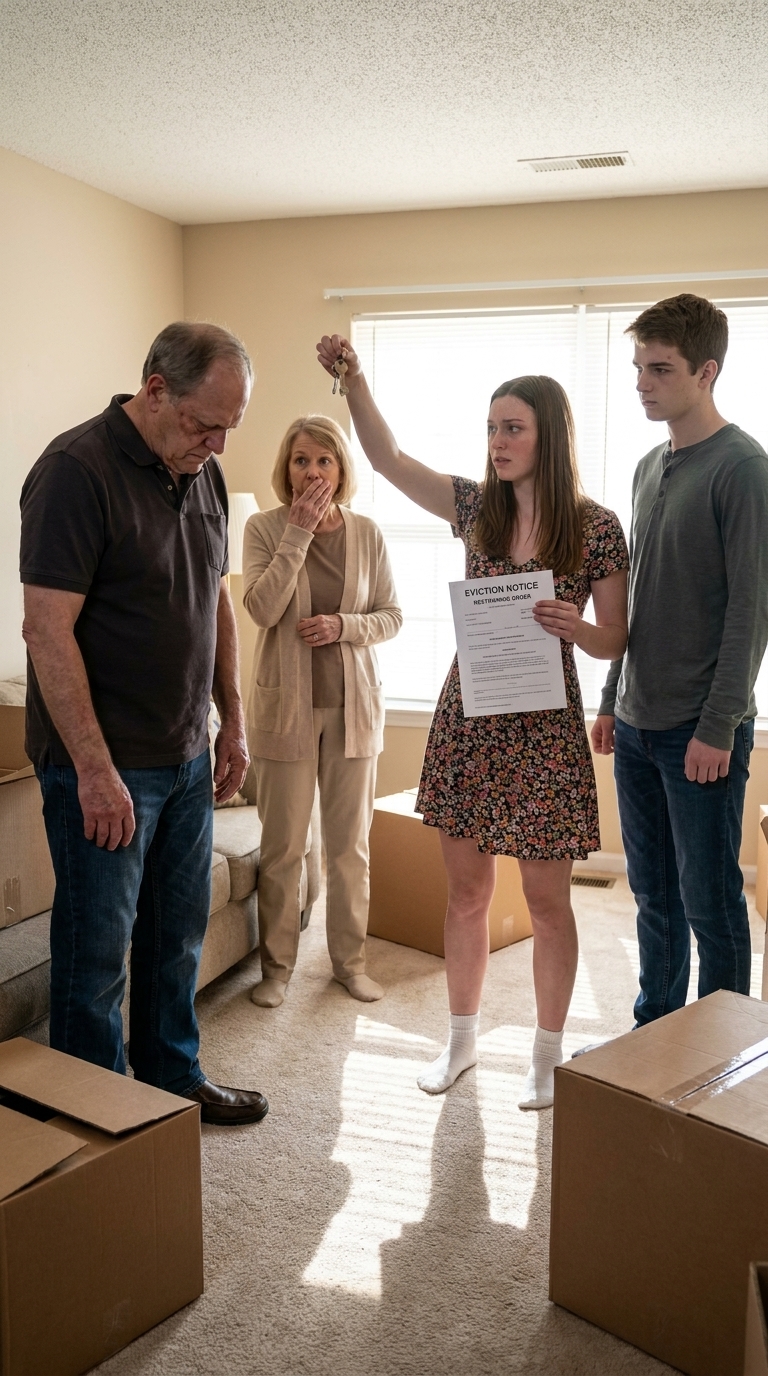
Five years earlier, I had stood on those same front steps in Buckhead with one torn suitcase, an eight-month pregnancy, and rain sliding down the back of my coat while my former mother-in-law told me I had worn out my welcome, and my husband, who should have stepped between us with the full force of a decent man’s conscience, stood in the doorway with his hands at his sides and let it happen as if I were not his wife, not carrying his child, not even human enough to deserve hesitation.
So when I crossed the threshold again and heard Margaret’s voice tremble behind me, I did not mistake her shock for remorse.
“Isabelle…?” she said, and even the way she formed my name sounded like she could not decide whether she was seeing a ghost or an inconvenience that had somehow become expensive.
I stood in the grand entry hall of the Buckhead estate, the one they had once treated like a kingdom and me like an unwelcome servant wandering through it by clerical error. Five years had changed the house very little on the surface. The marble still gleamed under the chandelier. The oil portraits still watched from the walls with the same expressionless superiority. The banister still curved downward with the theatrical elegance rich families like to confuse with legacy.
But the power inside the house had changed entirely.
The bank had foreclosed three months earlier. The property had been tied up in debt, tax pressure, failed refinancing, and the kind of financial recklessness people excuse for years when the furniture is still polished and the silver remains monogrammed. I had purchased it quietly through one of my holding companies, completed the transfer through counsel, and arranged to walk in only after every signature had settled into permanence.
Now the house belonged to me.
My former husband, Adrian Cole, moved toward me with that same weak charm that had once fooled me into believing softness and integrity were cousins. He smiled, but even from across the room I could see fear working beneath it like a crack under fresh paint.
“Isabelle, this… this changes everything,” he said, spreading his hands as though we were two old friends about to discuss timing rather than betrayal. “I always knew you were resilient. We can talk now. We can fix things. Think about Lily.”
I looked at him for a long moment before answering, because I wanted him to feel the full weight of being seen accurately for once in his life.
“That is almost impressive, Adrian,” I said. “Five years ago you watched me cry on these steps in the rain while I carried your child and a suitcase with a broken zipper, and now you want to speak to me about family because the roof over your head belongs to me.”
Margaret recovered before he did, which did not surprise me. Predatory women often confuse speed with strength.
“We were all under enormous strain then,” she snapped, her voice sharpening as she stepped closer in a cashmere set that would have looked elegant on someone who had not spent years weaponizing motherhood into monarchy. “You were not blameless either, Isabelle. There is no point dragging up ancient history. We are adults. Adults can reach a settlement.”
I turned from her to the long oak dining table, laid the leather folder I had carried beneath my arm at its center, and let the clasp click open in the silence.
“Of course we can,” I said. “In fact, that is exactly why I came. I am very interested in discussing a settlement. You should know, however, that the terms are unlikely to leave either of you comfortable.”
The Price Of Returning
They followed me into the dining room because there was nowhere else left to go, and because for the first time in their lives, both of them understood that refusing to sit down would not delay what came next.
Margaret remained standing, perhaps because she still believed posture could substitute for control. Adrian sat slowly, already looking like a man trying to calculate whether there was still an angle left somewhere in the room that had not yet collapsed.
I did not keep them waiting.
“You have forty-eight hours to vacate this house.”
Margaret made a sound that belonged somewhere between outrage and theatrical heartbreak.
“That is monstrous,” she cried. “You cannot do this. This house is full of our family’s memories.”
I met her eyes directly.
“The monstrous act,” I said, “was forcing a pregnant woman onto the front steps of that same house while neighbors watched through their curtains. The worst part was not that you did it. The worst part was that your son stood there and said nothing.”
Adrian flinched, but only in the shallow way men do when they are made uncomfortable by their own reflection.
“That isn’t fair,” he said quickly. “My mother was upset, and everything happened too fast. I didn’t know how to—”
I laughed once, quietly.
“You didn’t know how to react for five full years, Adrian. Not as a husband. Not as a father. Not as a man with a spine.”
He shifted strategies immediately, because cowardly people are often excellent improvisers when self-preservation is at stake.
His voice softened.
“I understand that you’re hurt, but Lily deserves a connection to this family and to this house. If you bought it just to get revenge, that says something about the kind of person you’ve become.”
I almost admired the attempt.
“I did not buy this property for revenge,” I said. “I bought it because the bank sold a foreclosed asset at auction, and unlike your family, I know how to read a balance sheet before it catches fire.”
Margaret’s face tightened. She tried tears next, but even those seemed tired.
I closed the folder and rested both palms on the table.
“That is not true. Your sister’s apartment in Midtown has been empty for seven months, Margaret. The property tax filings make that clear. And Adrian can afford a short-term lease if he pauses his habit of spending like a man still pretending his life is intact.”
He stared at me.
“You investigated us?”
I tilted my head.
“I learned never to walk back into a room where I was once humiliated without legal and financial leverage in my hands.”
Margaret’s shock turned, astonishingly, into self-congratulation.
“If I’m being honest,” she said, drawing herself up, “perhaps we did you a favor. If we hadn’t forced you out, maybe you never would have built whatever success you have now. In a strange way, you should be thanking us.”
For a moment, I said nothing at all, because some forms of arrogance deserve a second to reveal their full ugliness before being answered.
Then I spoke slowly.
“You want gratitude,” I said, “for trying to ruin me at the exact moment I was most vulnerable. You want me to confuse surviving your cruelty with benefiting from it. No. What I built came from sleepless nights, legal work done one-handed while rocking an infant to sleep, contract reviews at dawn, and years of refusing to break in private just because you hoped I would break in public. You did not make me stronger. You tried to drown me. You simply failed.”
The Years They Never Saw
The silence after that was dense enough to feel physical, and because neither of them could answer truth with anything except discomfort, my own mind slipped for a moment into the years they had never bothered to imagine.
When they threw me out, I did not go to some dramatic shelter or collapse beautifully into the arms of fate. I went first to a budget motel off I-75 where the air conditioner rattled all night and the bed smelled faintly of bleach and old fear. Three weeks later, Lily was born in a public hospital wing under fluorescent lights, and the first person who held her after me was not her father but a night nurse named Denise who whispered, “You two are going to be alright, honey,” with the kind of quiet certainty that feels holy when you have none of your own left.
I had no intention of becoming impressive. I only intended to survive.
But survival, when pursued with discipline, often begins to resemble ambition from a distance.
I took contract work remotely within ten days of giving birth. I used the last of my severance and the money from selling my wedding jewelry to secure a one-bedroom rental in Decatur. I learned how to invoice while sterilizing bottles, how to negotiate vendor terms with a feverish baby on my chest, how to make a single bag of groceries stretch across a week without ever letting Lily feel the arithmetic of it.
Later came consulting work, then an operations partnership in a logistics startup, then equity, then expansion, then the first office, then the second. I did not build an empire, because that word is too grand and too foolish for the kind of labor I did. I built a system. A disciplined one. A profitable one. A life that did not collapse when one coward walked out of a room.
And all those years, Adrian sent inconsistent child support, missed birthdays, overpromised during supervised weekends, and behaved as though fatherhood were a sentimental privilege rather than a moral obligation.
So when he looked at me now and tried to reach for sympathy, he was asking for something he had never paid toward.
The Terms He Could Not Escape
Adrian cleared his throat and tried again.
“I know I don’t deserve forgiveness,” he said, and even hearing him say it felt manipulative, because men like him rarely confess wrongdoing unless they believe humility might purchase access. “But don’t punish Lily for what happened between us.”
I leaned back in my chair.
“Lily deserves consistency, respect, and the truth. From now on, if you want to see her, it will happen under a formal schedule and under conditions set by my attorney. No improvisation. No emotional theater. No promises you make because guilt sounds noble in the moment and inconvenient by Sunday.”
Margaret placed both hands on the table as though she might still physically hold the room in place.
“You can’t control everything,” she said.
I took the new set of keys from the folder and laid them down carefully on the table. The metal struck the wood with a crisp sound that carried farther than her voice had.
“No,” I said. “Only what belongs to me.”
Then I rose.
“My counsel will be here in forty-eight hours with the locksmith. If either of you attempts to delay possession, remove fixtures, damage the property, or involve relatives in some sentimental performance about heritage and injustice, the response will not be emotional. It will be legal. This is no longer a family disagreement. This is consequences.”
Adrian stood too, desperation beginning to thin his voice.
“Isabelle, please. You’re making this colder than it has to be.”
That nearly amused me.
“Cold?” I repeated. “Cold was watching rain soak through my coat while your mother shut the door. Cold was realizing the man I married could observe cruelty and still prioritize peace in the room over the person he had promised to protect. What you are experiencing now is structure.”
Margaret whispered my name then, not as an insult, not as a command, but with the stunned anger of someone discovering too late that the person she treated as disposable had returned with authority she could not charm, shame, or outshout.
I picked up the folder.
“Forty-eight hours,” I said. “Use them well.”
The House That No Longer Remembered Them Kindly
I did not leave immediately after that. Instead, I walked through the house alone while they remained in the dining room with their outrage and disbelief, and each room offered me a different ghost.
The library where I had once sat quietly nursing Lily while listening to Margaret complain to her bridge friends about my “small-town instincts.” The front staircase where Adrian had kissed our daughter’s forehead one Christmas and promised to take her to the aquarium, then forgotten by afternoon because a golf invitation arrived. The breakfast room where I used to stand making coffee while the two of them discussed me as if I were an underperforming employee who had somehow wandered into their bloodline by clerical error.
But the rooms felt different now.
Not triumphant.
Cleansed.
A house can absorb humiliation for years and still become useful again once the people who fed it that poison are removed.
By the time I stepped back outside, evening had deepened over Buckhead, and the oak trees cast long shadows across the drive. My driver was waiting by the town car, but I paused before getting in and looked back once at the illuminated windows.
Five years earlier, I had stared at that same facade through rain and grief and believed I was being erased.
Now I understood something I could not have grasped then.
I had not been erased.
I had been released, violently and without mercy, into the life they assumed I could never build.
And because they underestimated me, they had missed the exact moment their power over me ended.
The Daughter Who Would Not Watch
When I got home, Lily was at the kitchen table doing homework, a pencil tucked behind one ear, her dark hair escaping from the braid she always insisted she no longer needed help with. She looked up when I came in and immediately read something in my face, because children raised in the aftermath of adult failure become experts in emotional weather.
“Did it go okay?” she asked.
I set down my bag and crossed to her.
“It went clearly,” I said, which was the closest truthful answer her age required.
She studied me another second.
“Are Grandma Margaret and Dad mad?”
I crouched beside her chair.
“Probably,” I admitted. “But people being angry with you for telling the truth does not mean you did the wrong thing.”
She nodded, though I could see she was still thinking about it in that serious way that made her seem older than ten.
Then she asked the question that mattered more than anything else.
“Are we safe?”
I kissed her forehead.
“Yes,” I said. “Now we are.”
That night, after she went to bed, I stood in the doorway of her room for a few extra minutes and watched her sleep. It struck me then that whatever else the day had been about, whatever legal satisfaction or moral closure it might eventually hold, the deepest meaning of it was simple.
She would never see me beg at that table again
She would never watch me stand in a house that belonged to me while someone else explained why I should be grateful to remain inside it.
She would learn, from memory instead of advice, that dignity may bend under pressure, but it does not have to stay bent.
And that was worth every mile of the road that had brought me back there.