Maya opened the bag for her.
“This is for you,” she said firmly. “Daddy bought it for me, but you need it more.”
As the woman took the warm food, her fingers shaking with hunger, Maya did something no one expected. She reached out and took the woman’s icy, calloused hand into her own small, warm ones.
She didn’t flinch at the dirt or the cold.
She just squeezed.
Her father began to walk toward them, his face tight with unease, ready to pull his daughter away from the “danger.”
But he stopped dead in his tracks when he heard Maya’s next words.
Maya looked straight into the woman’s watering eyes with the pure, terrifying honesty only a child possesses.
“You need a home,” Maya whispered.
Then a small tear rolled down her cheek.
“And I need a mom.”
The silence that followed was heavier than the snow.
The woman stopped breathing for a second, her soul laid bare, while behind them, Maya’s father stood paralyzed, confronted by a void in their lives he thought he had hidden, now exposed by a single moment of innocent bravery.
For months, he had told himself Maya was okay.
She still went to school.
She still colored pictures at the kitchen table.
She still brushed her teeth when he reminded her and climbed into bed with her stuffed rabbit tucked under one arm.
But he had mistaken silence for healing.
He had mistaken obedience for peace.
He had mistaken his daughter’s small forced smiles for proof that she was surviving the loss of her mother better than he was.
Now, standing on that snowy sidewalk, he realized the truth.
Maya had not stopped missing her mother.
She had simply stopped saying it out loud.
The homeless woman’s lips trembled. She looked down at the little girl holding her hand as if Maya had placed something far heavier than food into her palm.
“I’m not your mom, sweetheart,” the woman whispered, her voice cracking. “I’m nobody’s mom.”
Maya shook her head.
“That’s not true.”
The woman tried to smile, but it broke before it could form.
“I had a little girl once,” she said quietly.
Maya’s father froze.
The woman looked away, ashamed of the words as soon as they left her mouth.
“She was about your age,” she continued. “She used to hold my hand just like this.”
Maya did not let go.
“What happened to her?” she asked softly.
The woman swallowed hard. Her eyes lifted toward the gray sky, and for a moment, it looked like she was asking the snow to bury the memory before it escaped.
“I got sick,” she said. “Then I lost my job. Then I lost our apartment. Her grandmother took her in because I couldn’t take care of her anymore.”
Her voice dropped.

“She was safer without me.”
Maya’s father felt something inside him crack.
He had spent so many months drowning in his own grief that he had forgotten other people were drowning too.
The woman wasn’t just a stranger on the sidewalk.
She was someone’s mother.
Someone’s daughter.
Someone who had once packed lunches, kissed scraped knees, remembered bedtime stories, and probably believed she would never end up begging in the snow.
Maya stepped closer and wrapped both arms around the woman’s waist.
The woman stiffened, shocked by the hug, then slowly bent forward and held the child like she was afraid Maya might disappear.
That was when Maya’s father finally moved.
He walked toward them, not with fear anymore, but with shame.
He took off his coat and placed it gently around the woman’s shoulders.
The woman looked up at him, startled.
“I’m sorry,” he said.
She blinked.
“For what?”
“For seeing you like a problem before I saw you like a person.”
The woman’s eyes filled again, but this time she did not look away.
Maya looked at her father.
“Can she come home with us?”
He took a breath.
The old version of him would have said no immediately.
It’s not safe.
We don’t know her.
We can’t help everyone.
But then he looked at Maya, at the way her tiny hand still held the woman’s hand as if letting go would be a kind of betrayal.
He looked at the food bag.
At the snow gathering on the woman’s shoes.
At the daughter he had been failing quietly because his own pain had made him blind.
“She can come somewhere warm with us,” he said carefully. “We’ll get her food, and then we’ll find someone who can help her properly.”
Maya nodded, accepting that answer because it was honest.
The woman began to shake her head.
“No, I can’t. I don’t want trouble. I don’t want to be a burden.”
“You’re not,” Maya said.
The woman covered her mouth with one hand, and a sob escaped through her fingers.
No one had said that to her in years.
Not like they meant it.
That night, Maya and her father took the woman to a small diner on the corner, the kind with fogged windows and tired waitresses who had seen enough of life to understand pain without asking too many questions.
The woman ate slowly at first, as if she had forgotten how to trust a full plate.
Maya sat across from her, swinging her little legs under the booth.
“My mommy liked pancakes,” Maya said.
The woman looked at her gently.
“What was her name?”
“Lily.”
Maya’s father looked down at his coffee.
It had been months since Maya had said her mother’s name without crying.
“She had yellow hair,” Maya continued. “And she sang when she cleaned.”
The woman smiled through her tears.
“She sounds beautiful.”
“She was.”
Maya’s voice became smaller.
“Daddy doesn’t talk about her much.”
Her father closed his eyes.
There it was.
The truth, simple and sharp.
He reached across the table and took Maya’s hand.
“I thought talking about her would make you sad,” he admitted.
Maya looked at him.
“Not talking about her makes me sad.”
The words broke him.
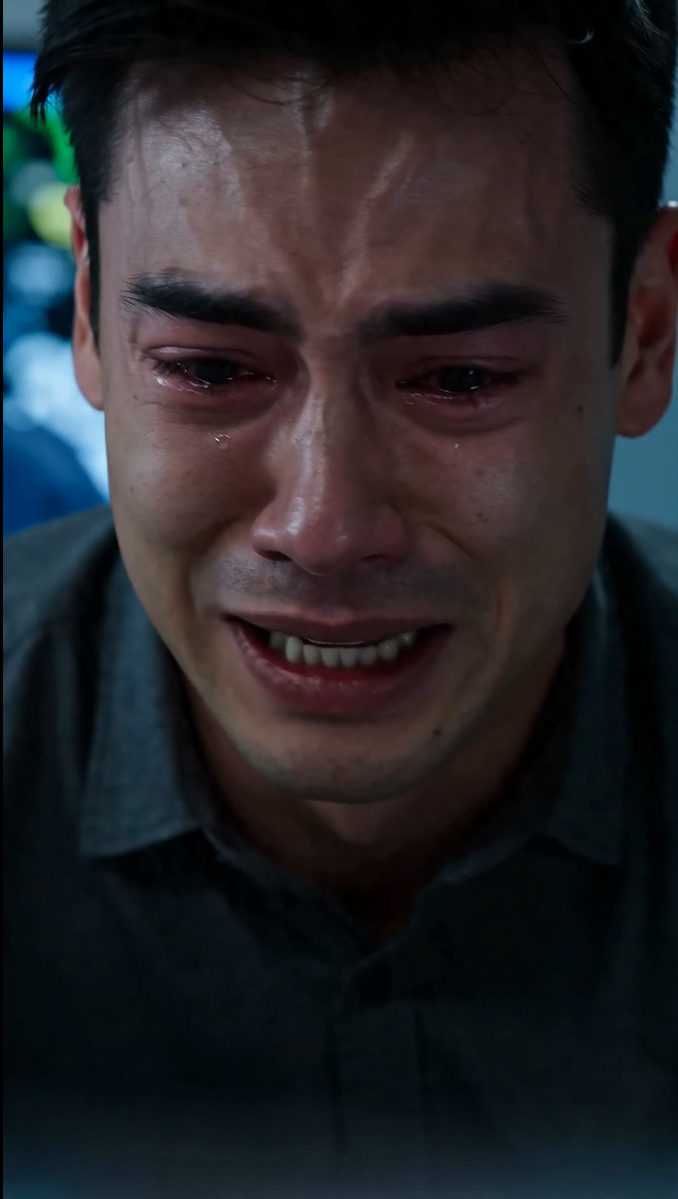
Right there in that little diner, with snow melting against the windows and a stranger wrapped in his coat, Maya’s father finally cried.
Not quietly.
Not privately.
He cried like a man who had been holding up a house with his bare hands and had finally realized the roof had already fallen in.
“I’m sorry,” he whispered to his daughter. “I miss her too. I miss her every day.”
Maya climbed out of her seat and crawled into his lap.
He held her so tightly she could feel his heart pounding.
The woman turned her face toward the window, giving them privacy, but her own tears kept falling.
After dinner, Maya’s father called a local shelter, then another, then a women’s support center.
For the first time in a long time, the woman did not sleep outside.
A caseworker met them before midnight and found her a safe place.
Before she left, Maya handed her the small scarf from around her own neck.
The woman tried to refuse it.
Maya frowned.
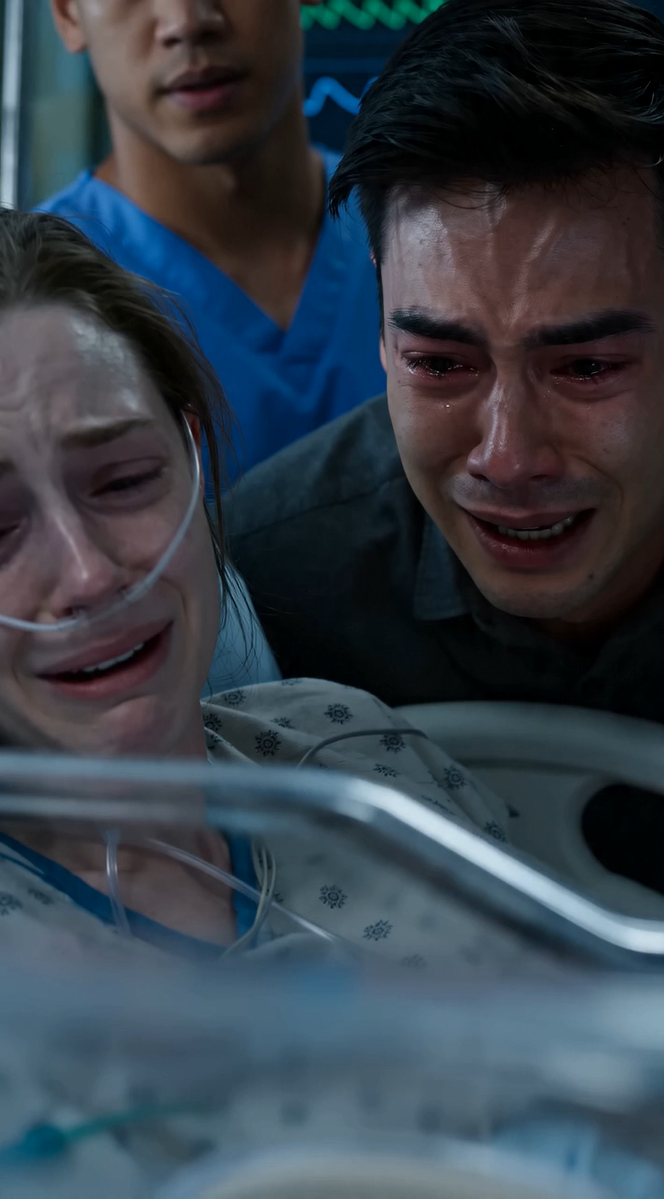
“You gave me a hug,” she said. “So now we’re friends.”
The woman pressed the scarf to her chest like it was made of gold.
“My name is Ruth,” she whispered.
Maya smiled.
“I’m Maya.”
“I know,” Ruth said. “I’ll never forget.”
Weeks passed.
Maya’s father began doing things differently.
He put Lily’s photo back on the mantel.
He told Maya stories about the day her mother burned toast so badly the smoke alarm screamed for ten minutes.
He let Maya cry without rushing her.
He let himself cry too.
Every Sunday, they brought food and blankets to the women’s shelter.
At first, Maya said it was because Ruth might need them.
Then, slowly, it became something else.
It became their way of loving Lily.
It became their way of remembering that grief does not have to turn people cold.
Sometimes, if you let it, grief can teach you how to notice the cold in others.
One afternoon, nearly two months later, Maya and her father walked into the shelter carrying a box of donated coats.
Maya stopped at the doorway.
Ruth was standing near the front desk.
Her hair was combed. Her face looked fuller. She wore clean clothes and held a folder in her hands.
For a second, neither of them moved.
Then Maya ran.
Ruth dropped to her knees just in time to catch her.
“You look warm now,” Maya said.
Ruth laughed through sudden tears.
“I am.”
Maya touched her scarf.
Ruth was wearing it.
The same little scarf Maya had given her that snowy night.
Ruth looked over Maya’s shoulder at her father.
“I found work,” she said. “Part-time for now. The center helped me contact my daughter’s grandmother too.”
Her voice trembled.
“I spoke to my little girl yesterday.”
Maya gasped.
“You did?”
Ruth nodded, crying openly now.
“She remembered my voice.”
Maya’s father pressed his lips together, fighting back tears.
“That’s wonderful,” he said.
Ruth looked at Maya again.
“You told me I needed a home,” she whispered. “I think you were right.”
Maya smiled.
“And I said I needed a mom.”
Ruth’s face softened, but before she could answer, Maya continued.
“I still need my mommy. My real mommy. But Daddy says people can love you in different ways.”
Her father knelt beside her.
“And sometimes,” he said, his voice thick, “people come into our lives to help us heal, even if they don’t replace anyone.”
Ruth reached out and touched Maya’s cheek.
“No one could ever replace your mother,” she said. “But if you ever need someone to hold your hand, I would be honored.”
Maya slipped her small hand into Ruth’s.
This time, her father did not step forward to stop her.
He just watched.
Because he finally understood.
That day in the snow had not been the beginning of a perfect fairytale.
It had not magically fixed a broken family or erased the pain of losing Lily.
But it had done something real.
It had opened a door.
For Ruth, it opened a path back to warmth, dignity, and the daughter she thought she had lost forever.
For Maya, it gave her permission to speak the ache she had been carrying alone.
And for her father, it taught him that protecting his child did not mean shielding her from every broken thing in the world.
Sometimes, protecting her meant letting her heart stay open.
Years later, Maya would not remember the exact taste of the food in that paper bag.
She would not remember how cold the sidewalk felt beneath her shoes.
But she would remember the woman’s hand.
Cold at first.
Then warmer.
She would remember her father crying in a diner.
She would remember the first time they spoke her mother’s name without pretending it didn’t hurt.
And she would remember that one small act of kindness did not save just one person.
It saved three.
Because sometimes the people we stop to help are not the only ones who are lost.
Sometimes, they are the ones who help us find our way home.