PART 2
Claire filed for divorce before the week was over.
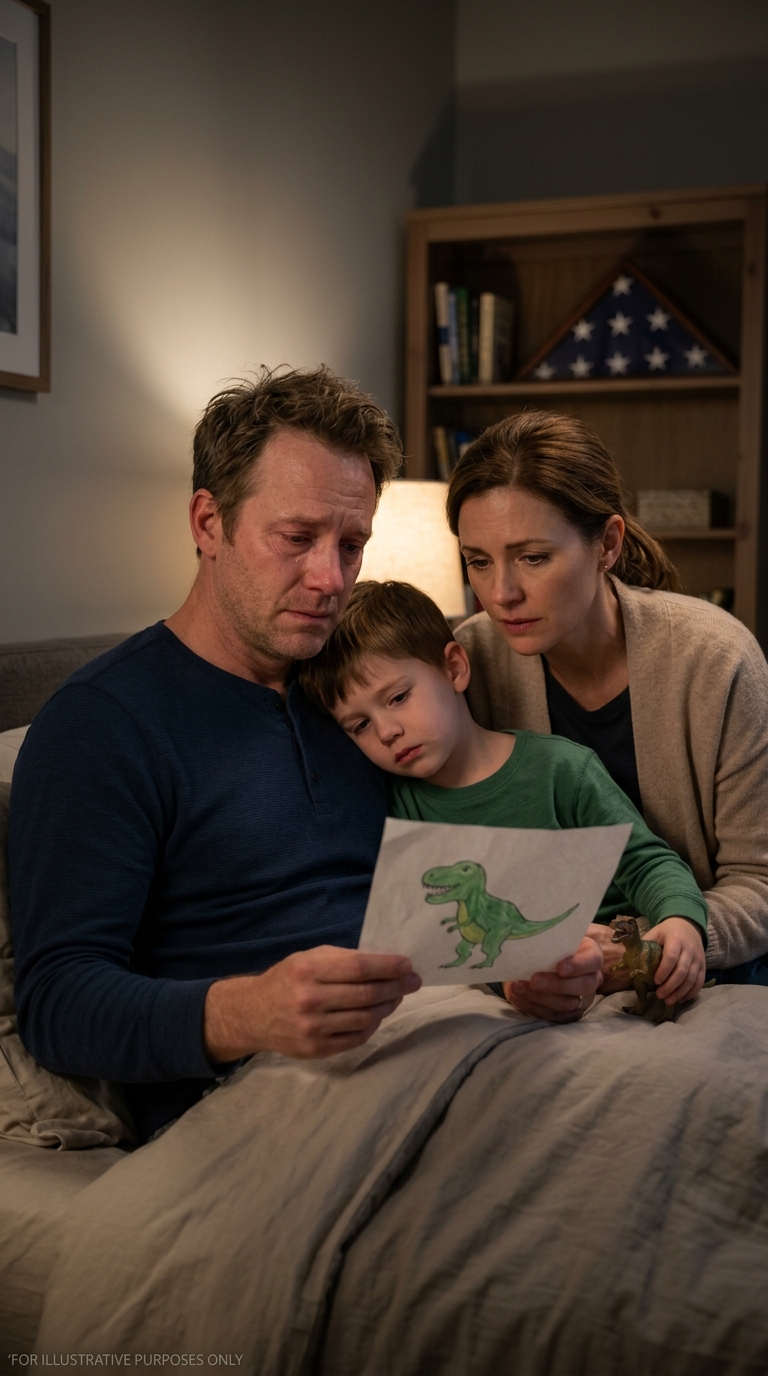
She moved into her mother’s small white house in Naperville, Illinois, where the nursery was not finished, the floors creaked in winter, and every neighbor knew too much. Her mother, Diane Carlisle, did not ask for details the first night. She simply opened the door, saw her pregnant daughter with swollen eyes and a suitcase, and pulled her inside.
Ethan called twelve times.
Claire answered none of them.
Three days later, he received papers at his office on Wacker Drive.
The divorce was clean, fast, and humiliating. Claire asked for no penthouse, no revenge settlement, no public scandal. She wanted custody, medical support, and child support.
Four thousand dollars a month.
Ethan stared at the number in the conference room while his attorney explained it was “reasonable.”
Reasonable.
A word that turned fatherhood into accounting.
Claire gave birth on a hot June morning while Ethan was in San Diego with Vanessa Crane, the woman from the restaurant receipt.
Vanessa was everything Claire was not trying to be. Sleek. Calculated. Expensive. She wore ivory silk to breakfast and laughed like she knew cameras loved her. She had been hired as a tax strategist for Ethan’s investment firm and had entered his life like a match dropped into dry grass.
When Ethan’s phone buzzed at 6:18 a.m., he was standing on a hotel balcony overlooking the Pacific.
A text from Diane.
Your son was born at 4:42 a.m. His name is Noah Carlisle Whitaker. Seven pounds, four ounces. Claire is recovering. She does not want you here.
Ethan read the message twice.
Noah.
His son had a name.
Behind him, Vanessa stirred under white hotel sheets.
“Bad news?” she asked sleepily.
“No,” he said, locking the phone. “Just family stuff.”
She stretched, unconcerned. “Come back to bed.”
And he did.
That was the first time Ethan abandoned his son.
It would not be the last.
Years passed with cruel efficiency.
Every month, Ethan’s bank transferred $4,000 into Claire’s account. It arrived on the fifth, neat and reliable. He never missed a payment. He told himself that mattered.
When guilt whispered at night, he answered it with receipts.
Medical insurance. Preschool tuition. Winter coats. Birthday deposits.
He paid.
He provided.
He did his part.
But he did not show up.
At first, Claire sent photographs. Noah wrapped in a blue blanket. Noah with cake on his cheeks. Noah asleep with one fist curled under his chin.
Ethan looked at them when he was alone, then stopped opening the messages because the ache irritated him. Eventually, Claire stopped sending them.
Meanwhile, Ethan married his new life.
Not Vanessa, not legally. Vanessa said marriage was “a sentimental contract with legal consequences.” But they lived together as if vows had been replaced by luxury. A glass penthouse in Washington, D.C. after Ethan expanded the firm. Weekend flights to Miami. Charity galas. Private dinners. Art they did not understand. Wine they pretended to appreciate.
Vanessa never asked to meet Noah.
Ethan was grateful.
When Noah turned four, Ethan saw a picture of him by accident. Claire had posted it online—Noah in a dinosaur T-shirt, holding a soccer ball, missing one front tooth.
Ethan stared at the photo longer than he expected.
The boy had his eyes.
That night, at a gala near Embassy Row, an old college friend named Julia Mercer cornered him by the bar.
“Don’t you have a son?” she asked.
Ethan stiffened. “Yes.”
“How old?”
“Four.”
“Do you see him?”
He lifted his champagne. “It’s complicated.”
Julia’s face hardened. She was a family court judge now, and she had heard that sentence too many times. “Complicated is what adults say when children are paying for adult cowardice.”
He laughed, but it sounded false.
Vanessa appeared before he could answer, sliding her hand through his arm. “Darling, Senator Brooks wants to say hello.”
Julia’s eyes stayed on Ethan. “Children remember absence, even when they don’t understand it.”
That night, Ethan could not sleep.
Vanessa lay beside him wearing a silk eye mask and earplugs, sealed away from the world. Ethan walked to the balcony and looked out over Washington, D.C.—monuments glowing, traffic crawling, power dressed up in marble.
He opened Claire’s contact.
Typed: How is Noah?
Deleted it.
Typed again: Can I see him sometime?
Deleted that too.
In the end, he sent nothing.
Cowardice, he discovered, was not always a dramatic failure.
Sometimes it was a blank message box.
PART 3
By the fifth year, Ethan’s perfect life began cracking in places money could not cover.
The first crack came from the IRS.
His accountant called on a rainy Tuesday morning.
“There are irregularities in the firm’s filings,” the man said.
Ethan leaned back in his office chair. “What kind of irregularities?”
“The expensive kind.”
The audit began quietly and then became vicious. Deductions tied to shell vendors. Questionable project expenses. Misclassified foreign consulting payments. Vanessa had designed some of the tax strategies herself, though she denied responsibility with the ease of someone removing lint from a sleeve.
“You approved everything,” she told Ethan one night in their dining room.
“Because you said it was clean.”
“I said it was aggressive.”
“That’s not the same thing.”
“It is in our world.”
Their world.
Ethan looked around at the world she meant. Crystal glasses. Imported marble. A view of the Potomac. A painting that cost more than his mother’s first house.
It suddenly felt staged.
As the investigation deepened, investors became cautious. Partners stopped returning calls. Ethan sold part of his ownership to cover penalties and legal fees. The newspapers did not destroy him, but whispers did.
Vanessa changed before his eyes.
She stopped planning trips. Stopped inviting him to events. Took phone calls in other rooms. Bought new clothes but packed old ones into suitcases he was not supposed to notice.
One night, Ethan found her in the closet, placing jewelry into a velvet case.
“Going somewhere?” he asked.
She did not look embarrassed. “My sister’s place for a few days.”
“Why?”
“Because I’m tired.”
“Of the audit?”
She turned. “Of you.”
The words hit harder than he expected.
Vanessa closed the jewelry case. “You sold me certainty, Ethan. Confidence. Power. I didn’t choose a man who shrinks every time life gets ugly.”
He stared at her. “I lost millions.”
“No. You lost the costume.”
“What is that supposed to mean?”
“It means you’ve been pretending since the day I met you.” Her voice sharpened. “You pretended leaving Claire was liberation. You pretended paying child support made you a father. You pretended I was love when I was really an escape.”
Ethan’s jaw flexed. “Don’t talk about my son.”
“Your son?” Vanessa laughed once. “You don’t even know what his voice sounds like.”
That silenced him.
She picked up her suitcase.
“I’ll call you.”
She did not.
Three weeks later, she agreed to meet him at the Hay-Adams hotel bar.
Ethan arrived early, wearing the same navy suit she used to say made him look presidential. He hated himself for caring.
Vanessa entered at exactly seven. Gray coat. Red lipstick. No warmth.
She placed an envelope on the table.
“The apartment lease. I removed my name from everything I could. My assistant will arrange the rest.”
Ethan stared at it. “You’re leaving.”
“Yes.”
“Is there someone else?”
A pause.
“Yes.”
He let out a bitter laugh. “Of course.”
“His name is Daniel. He runs a logistics company in San Francisco.”
“Rich?”
“Stable.”
“Same thing to you.”
Vanessa smiled without apology. “Sometimes.”
He wanted to hate her. It would have been easier if she lied. But Vanessa had always been honest about her selfishness. He had mistaken honesty for depth.
“Did you ever love me?” he asked.
She considered the question like a contract clause.
“I admired you. I wanted you. I enjoyed the life we had.”
“That’s not love.”
“No.” She stood, smoothing her coat. “And what you felt for me wasn’t love either. It was anesthesia.”
The word landed with surgical precision.
She looked at him one last time.
“Call your son, Ethan.”
Then she walked out.
Ethan sat alone in the hotel bar with the envelope between his hands, and the strange truth was this: losing Vanessa hurt less than remembering Claire’s face in that kitchen years ago.
Because Vanessa had left when the money cracked.
Claire had left when his soul did.
That night, Ethan returned to an empty penthouse and opened his phone.
For the first time in five years, he typed a message to Claire and sent it.
How is Noah?
Her reply came forty minutes later.
He’s fine. Why are you asking now?
Ethan stared at the screen.
Because I don’t know how to live with what I did.
He did not send that.
Instead, he wrote: I just want to know.
Claire’s answer arrived one minute later.
He likes dinosaurs. He plays soccer badly but with confidence. He asks why some fathers live with their children and some don’t.
Ethan’s breath caught.
Can I see him?
Claire did not answer until morning.
Not until you can prove this is about him and not about your guilt.
He had no proof.
So again, he did nothing.
PART 4
The diagnosis came eight months later in a private medical office near Georgetown.
Ethan had gone in for an executive physical because his board insisted. Stress, weight loss, stomach pain—symptoms he blamed on lawyers and ruined sleep.
Dr. Mara Bennett entered the room with a folder held too tightly.
Doctors, Ethan learned in that moment, had a particular kind of face when they were about to rearrange your life.
“Mr. Whitaker,” she said, sitting across from him. “Your blood work shows significantly elevated tumor markers.”
He blinked. “Tumor?”
“We need more tests to confirm, but the imaging suggests pancreatic cancer.”
The room narrowed.
The leather chair beneath him. The framed medical degree. The faint smell of hand sanitizer. All of it became too sharp.
“Cancer,” he repeated.
“I’m sorry.”
“How serious?”
“We need a biopsy, but based on what we see, serious.”
He laughed under his breath.
Not because anything was funny.
Because some part of him had always believed consequences were negotiable.
“When do we test?”
“Tomorrow morning.”
“Fine.”
Dr. Bennett leaned forward. “Do you have family? Someone who can be with you?”
Ethan opened his mouth.
Closed it.
His parents were in Ohio and barely spoke to him. Vanessa was gone. His colleagues were loyal to profit, not suffering.
Family.
A word he had treated like an old photograph.
“I have an ex-wife,” he said finally. “And a son.”
The doctor’s expression softened. “You should call someone.”
He sat in his car for an hour before he did.
Claire answered on the fourth ring.
“Ethan?”
Her voice was cautious, guarded.
“I’m sick,” he said.
Silence.
“What kind of sick?”
“Cancer. Probably pancreatic. They’re testing tomorrow.”
He heard her inhale.
For a second, he was back in the kitchen, watching her hold herself together because falling apart would not help.
“I’m sorry,” she said quietly.
“I know I don’t deserve your sympathy.”
“No,” Claire said. “But you have it anyway.”
That broke something in him.
He pressed his hand over his eyes. “I’m alone.”
Another silence.
Then: “Where are you?”
He told her.
“I’ll come tomorrow,” she said.
“You don’t have to.”
“I know.”
“Why would you?”
Her voice changed. Not soft exactly. Stronger than soft.
“Because Noah will ask one day what I did when his father was sick. I want to tell him I did the decent thing.”
The next afternoon, Ethan saw Claire for the first time in nearly six years.
She walked into the hospital lobby wearing jeans, a tan coat, and no makeup. Her hair was shorter now. There were fine lines near her eyes. She looked older, tired, real.
Beside her stood a small boy holding a plastic dinosaur.
Noah.
Ethan could not move.
Noah looked up at his mother. “Is that him?”
Claire knelt. “That’s Ethan.”
Not Dad.
Ethan deserved that.
Noah approached with the cautious curiosity of a child meeting a stranger adults had made important.
“Are you sick?” he asked.
Ethan crouched slowly. “Yes.”
“Mom says doctors help sick people.”
“They’re going to try.”
Noah studied him. “You look like my picture from the box.”
Ethan looked at Claire.
She explained, “I kept one photo.”
His throat tightened. “You did?”
“For him. Not for you.”
He nodded. “Thank you.”
They sat in the cafeteria while Ethan waited for biopsy instructions. Noah ate crackers and told him about a dinosaur called Ankylosaurus. Ethan listened as if every word were scripture.
At one point Noah held up his toy.
“This one has armor so nothing can hurt him.”
Ethan forced a smile. “Lucky dinosaur.”
Noah tilted his head. “Do you have armor?”
Claire looked away.
Ethan answered honestly. “I used to think I did.”
“Did it break?”
“Yes,” Ethan said. “It broke.”
The biopsy confirmed it.
Stage three pancreatic cancer. Operable, but dangerous. Surgery followed by chemotherapy. Guarded prognosis. Words delivered in professional tones, each one carrying the weight of a locked door.
Claire sat beside him in the consultation room.
Not holding his hand.
But not leaving.
After the appointment, outside under a cold Washington sky, Ethan turned to her.
“Can I get to know him?”
Claire’s face tightened. “You don’t get to walk into his life because death scared you.”
“I know.”
“You don’t get to make him love you and then disappear.”
“I know.”
“Then what are you asking for?”
Ethan looked toward Noah, who was trying to balance on the curb with both arms out like airplane wings.
“I’m asking for the chance to be late without being absent anymore.”
Claire’s eyes filled, but her voice stayed firm.
“I’ll think about it.”
For Ethan, it was more mercy than he deserved.
PART 5
Surgery took seven hours.
Ethan woke to white walls, tubes, pain, and the knowledge that his body was no longer an obedient machine. It had become a battlefield, and he was not the general.
Chemotherapy began three weeks later.
It humbled him in ways bankruptcy never could.
His hair fell out in the shower. His hands shook when he buttoned shirts. Food tasted like metal. Some mornings he crawled from bed to bathroom and lay on the tile because standing seemed like arrogance.
During those months, Noah began calling every Sunday.
At first, Claire stayed beside him on screen, careful and watchful.
“Show Ethan your drawing,” she would say.
Noah held up pages filled with dinosaurs, volcanoes, soccer fields, and one oddly shaped man with no hair.
“That’s you,” Noah said proudly.
Ethan laughed. “I look brave.”
“You look bald.”
Claire covered her mouth.
Ethan laughed harder than he had in years.
Eventually, Noah began asking questions.
“Why didn’t you come before?”
The first time, Ethan panicked.
Claire’s face went still.
Ethan could have lied. He could have blamed distance, work, adult complications.
Instead, he said, “Because I made bad choices. And because I was scared and selfish.”
Noah frowned. “Scared of me?”
“No. Never of you.”
“Then what?”
Ethan swallowed. “Scared of being the kind of man I had already failed to be.”
Noah did not understand all of it. Maybe that was a mercy.
He only said, “Mom says people can do better if they tell the truth.”
“She’s right.”
“She’s always right.”
Ethan smiled. “I’m learning that.”
By autumn, the treatment stopped working.
Dr. Bennett did not decorate the truth.
“The cancer has spread to your liver,” she said. “Small lesions, but they’re there.”
Claire had come to the appointment with him. She sat very still.
“What now?” Ethan asked.
“We can try a more aggressive protocol, but the odds are low and the side effects will be severe.”
“How low?”
The doctor hesitated.
“Less than five percent for meaningful remission.”
Ethan looked down at his hands.
Hands that had signed checks instead of birthday cards. Hands that had touched another woman while his wife carried his child. Hands that had built wealth and failed to build a family.
“No,” he said.
Claire turned. “Ethan.”
“I don’t want to spend whatever time I have left poisoned in a hospital bed.”
Dr. Bennett nodded. “That’s a valid choice.”
“Is it?” Claire asked, voice trembling.
Ethan looked at her. “I want time with Noah. Real time. If you’ll allow it.”
Claire stood abruptly and walked out.
He found her in the hallway, one hand over her mouth, crying silently.
“I hate you for this,” she whispered.
“I know.”
“I hate that you get to show up now and make him love you.”
“I know.”
“I hate that I can’t say no.”
Ethan closed his eyes.
Claire wiped her face. “You can come to Naperville on weekends. Slowly. No promises you can’t keep. No pretending this is normal.”
“Thank you.”
“And when you get worse, you tell me. I will not let Noah be blindsided.”
“I promise.”
The first weekend, Ethan arrived with a backpack and a box of dinosaur toys.
Noah opened the door and shouted, “You came!”
Not Dad.
Not yet.
But the words still nearly dropped Ethan to his knees.
They spent the afternoon building a dinosaur kingdom out of couch cushions. Noah made rules that changed whenever he started losing. Ethan obeyed every one.
At dinner, Claire served spaghetti and garlic bread. Nothing expensive. Nothing staged. Noah got sauce on his chin. Claire corrected his manners. Ethan watched them both with an ache so deep it felt holy.
This was what he had traded away.
Not glamour.
Not obligation.
This.
A small table. A child laughing. A woman tired from love, not performance. A house that smelled like laundry detergent and tomato sauce and life.
Later, after Noah fell asleep, Ethan helped Claire wash dishes.
“You don’t have to do that,” she said.
“I want to.”
She handed him a towel.
For ten minutes, they worked in silence.
Then Claire said, “He likes you.”
Ethan looked toward the hallway.
“I don’t deserve that.”
“No,” she said. “But children don’t love according to what we deserve.”
PART 6
By December, Ethan could no longer travel back and forth safely.
The pain had become a weather system inside his body—sometimes dull, sometimes violent, always present. He hid it from Noah as much as he could, but children notice what adults try to bury.
One Friday, Ethan called Claire from his D.C. apartment.
“I can’t make the train,” he admitted.
She was quiet.
“How bad?”
“Bad.”
“Are you alone?”
He looked around the apartment. Vanessa’s absence had become permanent. The expensive furniture looked ridiculous now, like props left after a play closed.
“Yes.”
Claire exhaled. “Come here.”
“What?”
“To Naperville. Bring what you need.”
“No.”
“Ethan.”
“I can’t ask that of you.”
“You’re not asking. I’m offering.”
“Why?”
Her answer came slowly.
“Because Noah deserves time. And because nobody should die surrounded by furniture.”
Three days later, Ethan moved into Claire’s guest room.
It was small, with a narrow bed, blue curtains, and a view of the backyard where Noah had built a crooked snowman. It was the least impressive room Ethan had slept in for twenty years.
It felt like grace.
Claire set rules.
“Noah doesn’t see the worst of it. If you need the hospital, we go. No hero act. No disappearing emotionally because you’re scared.”
“I understand.”
“And Ethan?”
He looked at her.
“If you say goodbye, mean it.”
Christmas came quietly.
Noah decorated the tree with uneven enthusiasm, placing three ornaments on the same branch and declaring it “modern.” Ethan watched from the couch beneath a blanket.
“Put this one up,” Noah said, handing him a red ornament.
Ethan’s fingers trembled as he hung it low.
“Perfect,” Noah said.
On Christmas morning, Noah gave him a drawing.
Three people stood under a yellow sun.
Mom. Noah. Ethan.
At the top, in crooked letters, he had written: MY FAMILY.
Ethan pressed the paper to his chest and cried.
Noah looked alarmed. “Do you hate it?”
Ethan pulled him close. “No, champ. It’s the best thing anyone ever gave me.”
That night, after Noah went to bed, Claire found Ethan sitting alone by the tree.
“Are you in pain?”
“Yes.”
“Do you need medicine?”
“In a minute.”
She sat beside him.
For a while, neither spoke.
Then Ethan said, “I thought money would protect me from regret.”
Claire’s eyes stayed on the tree lights. “Did it?”
“No.”
“It never does.”
He nodded. “I’m sorry, Claire.”
She closed her eyes.
“I know you are.”
“I don’t expect forgiveness.”
“I forgave you enough to stop carrying the fire,” she said. “That doesn’t mean I forgot the burn.”
“I know.”
She looked at him then, and for a moment he saw the woman from the kitchen years ago, the woman he had shattered.
But he also saw the woman she had become without him.
Stronger. Calmer. Whole.
“I loved you,” he said.
“I know.”
“I think I spent years trying not to know that.”
Claire’s eyes shone. “I loved you too. That’s why it hurt so much.”
“Do you love me now?”
She smiled sadly. “Not that way.”
He nodded. The answer hurt, but it was clean.
“But I don’t hate you,” she added. “And I’m glad Noah got to know you.”
That was enough.
On New Year’s Eve, Claire poured two glasses of sparkling cider because Ethan could no longer drink. They sat by the window while distant fireworks cracked over the suburbs.
“To endings that hurt but heal,” Claire said.
Ethan tapped his glass against hers.
“To being late,” he said, “but not leaving before the last page.”
In early January, Ethan’s body began to fail quickly.
Some days he slept eighteen hours. Some days he woke confused. Dr. Bennett arranged hospice care in the house. Claire explained things to Noah gently, one piece at a time.
“Is Ethan going to heaven?” Noah asked one evening.
Claire knelt before him. “Yes, sweetheart. Soon.”
“How soon?”
“I don’t know. But when it’s time, I’ll tell you.”
Noah nodded bravely, tears spilling anyway.
“Can I still love him after he goes?”
Claire pulled him into her arms.
“Oh, baby. That’s when love works the hardest.”
PART 7
January 18 dawned gray and bitterly cold.
The old maple tree outside Claire’s house rattled against the wind. Snow covered the yard in a thin, icy sheet. Inside, the house was quiet except for the low hum of the hospice machine and Ethan’s uneven breathing.
Claire had slept in the chair beside his bed.
At 5:40 a.m., she woke because the rhythm of his breath had changed.
Slower.
Farther apart.
She called the hospice nurse, who came before sunrise and checked him with gentle hands.
“It’s close,” the nurse said softly. “Hours, most likely.”
Claire nodded.
She had known. Still, hearing it made the room tilt.
At 7:15, she woke Noah.
He sat up in bed immediately, as if some part of him had been waiting.
“Is it time?” he whispered.
Claire brushed hair from his forehead. “Yes, sweetheart. I think so.”
Noah dressed in silence. He chose his dinosaur sweatshirt, the green one Ethan liked. Then he picked up the Christmas drawing from his desk.
“I want him to keep it,” he said.
Claire’s throat closed. “Okay.”
They entered the guest room together.
Ethan’s eyes opened halfway when he heard them. His face was pale, his cheekbones sharp, but when he saw Noah, something like light crossed him.
“Hey, champ,” he whispered.
Noah climbed carefully onto the bed.
Claire almost stopped him, then didn’t.
The boy curled against Ethan’s side, small and warm and shaking.
“I don’t want you to go,” Noah said.
Ethan lifted a weak hand and placed it on his son’s hair.
“I don’t want to go either.”
“Are you scared?”
Ethan looked at Claire, then back at Noah.
“Yes,” he admitted. “A little.”
Noah cried harder. “Then I’ll stay with you.”
Ethan’s eyes filled.
“You already helped me be less scared.”
“I did?”
“Yes. Every time you called. Every dinosaur fact. Every drawing. Every hug.”
Noah pressed the paper into his hand.
“It’s us,” he said. “So you remember.”
Ethan held the drawing with what little strength he had.
“I’ll remember.”
“Will you watch my soccer games from heaven?”
“Every one.”
“Even if I’m bad?”
“Especially then.”
Noah gave a broken laugh through tears.
Claire stood near the door, one hand over her mouth.
Ethan turned his eyes to her.
“Thank you,” he mouthed.
She came closer and sat on the bed’s edge.
Noah kissed Ethan’s cheek.
“I love you,” the boy whispered.
Ethan’s face crumpled.
“I love you too, Noah. More than I knew how to show. But I did. Always.”
Claire gently guided Noah down after a few minutes.
“Go draw in the living room, okay? I’ll come get you if Ethan wakes more.”
Noah nodded, wiping his face with his sleeve. At the door, he turned.
“Bye, Ethan.”
Ethan’s lips trembled.
“Bye, champ.”
When Noah was gone, Claire returned to the chair and took Ethan’s hand.
The house settled around them.
Wind against glass. Heat clicking through old vents. A child crying softly in another room.
Ethan stared at the ceiling.
“Claire?”
“I’m here.”
“Do you think he’ll remember me?”
“Yes.”
“Not just like this?”
She squeezed his hand. “He’ll remember dinosaurs. Christmas. The red ornament. The soccer game where you cheered so loud you embarrassed him. He’ll remember that you came.”
“I came late.”
“But you came.”
His breathing hitched.
“I wasted so much.”
“Yes,” Claire said, tears running freely now. “You did.”
He nodded faintly. He needed the truth more than comfort.
Then she added, “But the end of your story was not the worst part. Remember that.”
He looked at her.
“You gave him something real before you left,” she said. “That matters.”
Ethan closed his eyes.
For years, he had believed redemption meant undoing the past. Fixing what broke. Returning to the kitchen before the receipt, before the perfume, before the suitcase.
Now he understood.
Redemption was smaller than that.
It was a boy’s head on his shoulder.
A woman he had hurt refusing to let him die alone.
A red ornament on a Christmas tree.
A drawing folded beneath his hand.
It was not enough to erase the damage.
But it was enough to make the final room less dark.
At 2:37 p.m., Ethan opened his eyes one last time.
Claire leaned close. “I’m here.”
“Noah,” he whispered.
“He knows you love him.”
His eyes moved to her.
“You were the love of my life,” he breathed.
Claire cried silently.
“You were mine once,” she said. “And then you became my lesson.”
A faint smile touched his mouth.
“I’m sorry.”
“I know.”
“Tell him…”
“I will.”
“Tell him his father loved him.”
“I promise.”
His hand went slack in hers.
The room became still.
Claire sat there for a long time, holding the hand of the man who had broken her heart, fathered her child, abandoned them both, and returned too late—but not too late to love.
Finally, she stood and closed his eyes.
“Rest, Ethan.”
Years later, Noah Whitaker would keep two things in a wooden box beneath his bed.
A photograph of his father, thin and smiling beside a crooked Christmas tree.
And a bank statement from long ago showing $4,000 deposited every month by a man who once believed money was enough.
When Noah was sixteen, he asked his mother if Ethan had been a good father.
Claire thought for a long time.
Then she said, “He was not a good father at first. But at the end, he became your father. And sometimes people arrive too late to change the beginning, but not too late to change what we remember.”
Noah nodded.
That night, he hung the red ornament on the tree himself.